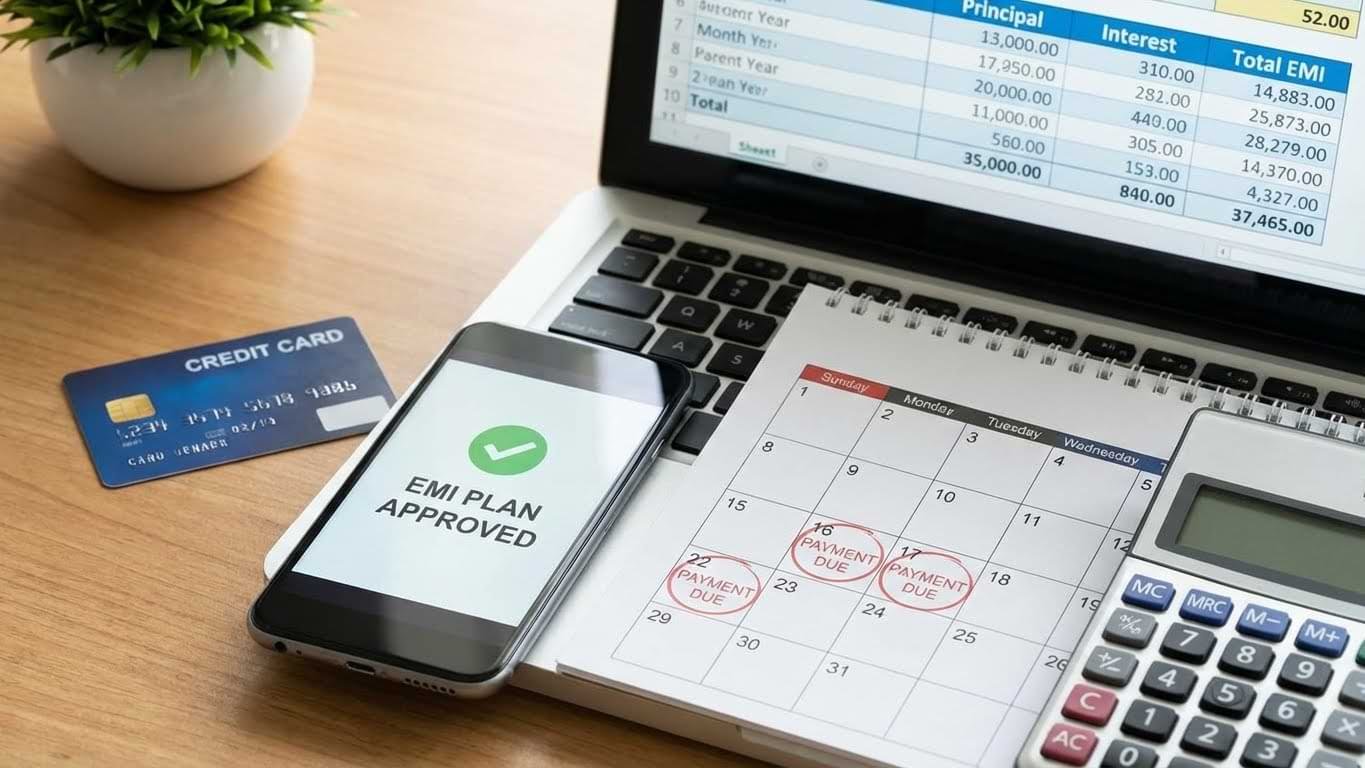
Credit cards can be very useful. They help us shop online, book travel, handle emergencies, and manage cash flow. But when credit card spending goes out of control, credit card debt can slowly become a serious problem.
Many people feel stressed, anxious, or even scared when they see their credit card bills growing every month. High interest rates, minimum payments, and late fees can make debt feel impossible to escape.
The good news is this:
You can pay off credit card debt faster—without stress—if you follow the right steps.
This guide will help you understand:
-
What credit card debt really is
-
Why it grows so fast
-
Simple and proven ways to pay it off faster
-
How to reduce stress while clearing debt
-
Smart habits to stay debt-free for life
Everything is explained in easy English, so even beginners can understand and apply it confidently.
What Is Credit Card Debt?
Credit card debt happens when you spend money using a credit card and do not pay the full bill by the due date.
Instead, you:
-
Pay only the minimum amount, or
-
Miss payments, or
-
Carry balance month after month
When this happens, the bank charges interest, which increases your total amount due.
High-search keywords:
credit card debt, what is credit card debt, credit card balance
Why Credit Card Debt Feels So Stressful
Credit card debt causes stress because:
-
Interest rates are very high
-
Payments feel never-ending
-
Minimum payments barely reduce balance
-
Debt affects credit score
-
Financial freedom feels far away
Over time, this stress can affect:
-
Mental health
-
Sleep quality
-
Relationships
-
Work performance
Why Credit Card Debt Grows So Fast
High Interest Rates
Most credit cards charge 20% to 45% APR, sometimes even more.
That means:
-
Interest is added every month
-
Your balance grows even if you stop spending
Paying Only the Minimum Amount
Minimum payment looks small, but it’s a trap.
Example:
-
Balance: $5,000
-
Minimum payment: $150
-
Interest charged: $120
Only $30 reduces your debt.
Multiple Credit Cards
Having many cards means:
-
Multiple due dates
-
Multiple interest rates
-
Higher total debt
Can You Pay Off Credit Card Debt Without Stress?
Yes. The key is:
-
A clear plan
-
Simple steps
-
Small but consistent actions
You don’t need to be rich.
You don’t need to suffer.
You just need the right strategy.
Step 1: Know Your Exact Credit Card Debt
Before paying off debt, you must see it clearly.
Write down:
-
All credit card balances
-
Interest rates (APR)
-
Minimum payments
-
Due dates
This gives you control and clarity.
SEO keywords:
credit card debt list, total credit card debt
Step 2: Stop Adding New Credit Card Debt
This step is very important.
If you keep spending:
-
Debt will never go down
-
Stress will never end
Simple actions:
-
Stop using credit cards for now
-
Use cash or debit card
-
Remove saved cards from apps
Step 3: Choose the Right Debt Payoff Strategy
There are two proven methods to pay off credit card debt faster.
What Is the Debt Snowball Method?
In the debt snowball method, you:
-
Pay minimum on all cards
-
Focus extra money on the smallest balance
-
Once paid off, move to the next smallest
Benefits:
-
Quick wins
-
High motivation
-
Less stress
What Is the Debt Avalanche Method?
In the debt avalanche method, you:
-
Pay minimum on all cards
-
Focus extra money on the highest interest rate card
-
Save more money on interest
Benefits:
-
Faster mathematically
-
Less interest paid
Which Method Is Better?
-
If you need motivation → Snowball
-
If you want to save money → Avalanche
Both work if you stay consistent.
Step 4: Pay More Than the Minimum Amount
Paying only the minimum keeps you trapped.
Even a small extra payment helps:
-
₹500 extra per month
-
$25 extra per month
This reduces:
-
Interest
-
Repayment time
-
Stress
Step 5: Cut Expenses Without Feeling Miserable
You don’t need to live a boring life.
Just cut temporary, unnecessary expenses:
-
Food delivery
-
Subscriptions
-
Impulse shopping
-
Unused memberships
Use saved money for debt payments.
Step 6: Increase Income in Simple Ways
You don’t need a second full-time job.
Easy ideas:
-
Freelance work
-
Online tutoring
-
Selling unused items
-
Weekend gigs
Extra income = faster debt payoff.
Step 7: Consider Credit Card Balance Transfer
A balance transfer credit card allows you to:
-
Move debt to a lower interest card
-
Sometimes enjoy 0% interest for limited time
This helps reduce interest burden.
High-search keywords:
credit card balance transfer, 0% APR balance transfer
Step 8: Use Personal Loan for Debt Consolidation (Carefully)
Debt consolidation means:
-
Combining multiple card debts into one loan
This works if:
-
Loan interest is lower
-
You stop using credit cards
Avoid using loans without a clear plan.
Step 9: Automate Your Credit Card Payments
Automation reduces stress.
Set:
-
Auto-debit for minimum payments
-
Reminders for extra payments
This prevents:
-
Late fees
-
Missed payments
-
Credit score damage
Step 10: Protect Your Mental Health During Debt Payoff
Debt payoff is emotional, not just financial.
Simple habits help:
-
Track progress monthly, not daily
-
Celebrate small wins
-
Avoid comparing yourself with others
You are improving—even if slowly.
How Long Does It Take to Pay Off Credit Card Debt?
It depends on:
-
Total balance
-
Interest rate
-
Monthly payment amount
Example:
-
$10,000 debt
-
Minimum payments → 15–20 years
-
Aggressive plan → 2–4 years
How Paying Off Credit Card Debt Improves Your Life
Once debt is gone:
-
Stress reduces
-
Credit score improves
-
Savings grow
-
Financial confidence increases
Freedom feels real.
Common Mistakes to Avoid While Paying Off Credit Card Debt
1. Closing Cards Immediately
This can hurt your credit score.
2. Using Cards Again Too Soon
This restarts the debt cycle.
3. Ignoring Interest Rates
High interest kills progress.
4. Expecting Quick Results
Debt payoff takes time.
How Credit Card Debt Affects Credit Score
High credit card debt:
-
Increases credit utilization
-
Lowers credit score
Paying down debt:
-
Improves score gradually
-
Builds trust with lenders
How to Stay Debt-Free After Paying Off Credit Cards
Create healthy habits:
-
Use credit cards only when needed
-
Pay full bill every month
-
Keep emergency savings
-
Track spending monthly
Is Credit Card Debt a Failure?
No.
Most people experience debt at some point.
What matters is:
-
Learning from it
-
Fixing it
-
Growing stronger
Frequently Asked Questions (FAQs)
Q1. What is the fastest way to pay off credit card debt?
Pay more than minimum and focus on one card at a time.
Q2. Should I stop using credit cards completely?
Temporarily yes, until debt is under control.
Q3. Is balance transfer a good idea?
Yes, if interest is lower and spending stops.
Q4. Does paying off debt improve credit score?
Yes, over time it improves significantly.
Q5. Can I negotiate interest rates with banks?
Sometimes yes—especially with good payment history.
Google AdSense & Google AdX Policy Disclaimer
This article is for educational and informational purposes only.
It does not promise guaranteed financial results or promote risky financial behavior.
All content is written in compliance with Google AdSense and Google AdX policies, making it safe for monetized websites.
